
Table of Contents
- What an Immobilizer Fault Actually Means for Your Vehicle
- Immobilizer Fault Symptoms: Warning Lights and No-Start Clues
- Transponder Key Not Working? How to Tell If It's the Key or the Car
- What Locksmiths Can and Cannot Repair on an Immobilizer System
- Immobilizer Key Programming: On-Site and Mail-In Options
- Immobilizer System Repair Cost: What Affects the Bill
- Conclusion
- Frequently Asked Questions
Last Updated: October 16, 2026
What an Immobilizer Fault Actually Means for Your Vehicle
An immobilizer fault is a break in the electronic handshake between your key and your car's anti-theft system, stopping the engine from starting even when the key turns. The immobilizer reads a coded signal from your transponder key before letting the engine control unit fire.
Here's the part most guides miss: the immobilizer itself rarely "breaks." What fails is one link in a chain that includes the key, the antenna ring around the ignition, the wiring, and the module that stores the security codes. The National Highway Traffic Safety Administration guidance on vehicle theft prevention notes that electronic immobilizers are one of the most effective anti-theft tools ever fitted to cars, which is exactly why a fault locks you out so completely.
At Dealerkeys, we diagnose these faults daily across cars, trucks, motorcycles, and watercraft.
Key-Side vs. Vehicle-Side Faults
Faults split into two camps, and knowing which one you have saves time and money.
Key-side faults live in the transponder key or key fob: a damaged chip, a dead fob battery, or a key never programmed to this car.
Vehicle-side faults live in the car: the immobilizer antenna, wiring, ignition switch, or the module holding the security data.
Immobilizer Fault Symptoms: Warning Lights and No-Start Clues
The most common immobilizer fault symptom is a security light that stays on, flashes, or refuses to go out while the engine cranks but won't catch, the anti-theft system has locked out the starter or fuel system.
- The engine cranks normally but never fires
- The security light blinks fast, then goes solid
- The key fob works for locks but not for starting
Some drivers notice the problem only in cold weather or after a dead battery. Low voltage confuses modules, and a weak battery can trigger a fault that looks like a key problem.
What Each Security Light Pattern Tells You
| Light Behavior | Likely Fault | First Check |
|---|---|---|
| Solid, engine cranks no start | Key not recognized | Try spare key |
| Fast flash, no crank | Immobilizer active | Fob battery, key chip |
| Slow flash, intermittent start | Wiring or antenna fault | Ignition ring, connections |
| Light off, still no start | Not immobilizer | Battery, starter, fuel |
Transponder Key Not Working? How to Tell If It's the Key or the Car
The fastest way to separate a transponder key problem from a vehicle problem: test a second key, check the fob battery, then check vehicle voltage. If a known-good spare starts the car, your original key is the fault.
Work through these steps in order, and stop as soon as one step changes the behavior:
- Try the spare key. If the spare starts the car, the fault is in the original key or its chip. If the spare also fails, move to step 2. No spare? That itself is worth fixing, because you have no way to isolate a key fault from a vehicle fault.
- Replace the fob battery if the fob has one. A weak fob battery can block the challenge signal on proximity and push-to-start systems, even when the key blade still turns. Use the correct coin cell size from your owner's manual.
- Check vehicle battery voltage. A battery below roughly 12.2 volts at rest, or dropping hard during cranking, confuses the immobilizer module and the engine control unit, triggering a no-start that looks exactly like a key fault. If the engine cranks strong and the security light is on, the battery is likely fine and the immobilizer is doing its job.
- Listen to the crank. A strong, steady crank with no start points to a key or immobilizer recognition fault. A slow, labored crank points to battery, starter, or ground faults. No crank with a fast-flashing security light points to an active immobilizer lockout.
- Look at the security light pattern and match it to the table above. Write down what you see, because the pattern is the single most useful clue you can give a locksmith or technician.
- Check for recent physical damage. A dropped key, a key through the wash, or a wet fob can kill the transponder chip even when the blade still turns.
- If nothing changes, stop and get a diagnostic scan. Do not keep cranking. Repeated attempts can flood the engine, drain the battery, and on some vehicles trigger a longer security lockout.
A common mistake is assuming a no-start means a dead battery or a dead key. The same symptom can come from four places: the key, the immobilizer antenna and wiring, the module that stores the security codes, or the vehicle power supply.
Key Takeaway A spare-key test, a fob battery check, and a voltage reading take about five minutes and can save you a diagnostic fee. If all three come back clean and the car still will not start, you have a vehicle-side fault that needs a scan tool.Crank vs. No-Crank: Why the Difference Matters
- Crank, no start: The starter circuit works, so the immobilizer is most likely blocking fuel or ignition. This is the classic key-not-recognized pattern.
- No crank, security light active: The immobilizer has locked out the starter circuit itself. This is often a key or antenna fault.
- No crank, no security light: The immobilizer may not be involved at all. Check the battery, starter, neutral safety switch, and brake pedal switch on push-to-start vehicles.
What to Have Ready Before You Call
A locksmith or technician works faster, and often charges less, when you can answer a few questions up front:
- Vehicle year, make, model, and whether it is push-to-start or turn-key
- Whether the spare key starts the car
- The exact security light behavior (solid, fast flash, slow flash, off)
Aftermarket electronics are a frequent, underreported cause of immobilizer faults. A remote starter or alarm tapping into the immobilizer circuit can interfere with the handshake, and disconnecting it is sometimes the fix.
What Locksmiths Can and Cannot Repair on an Immobilizer System
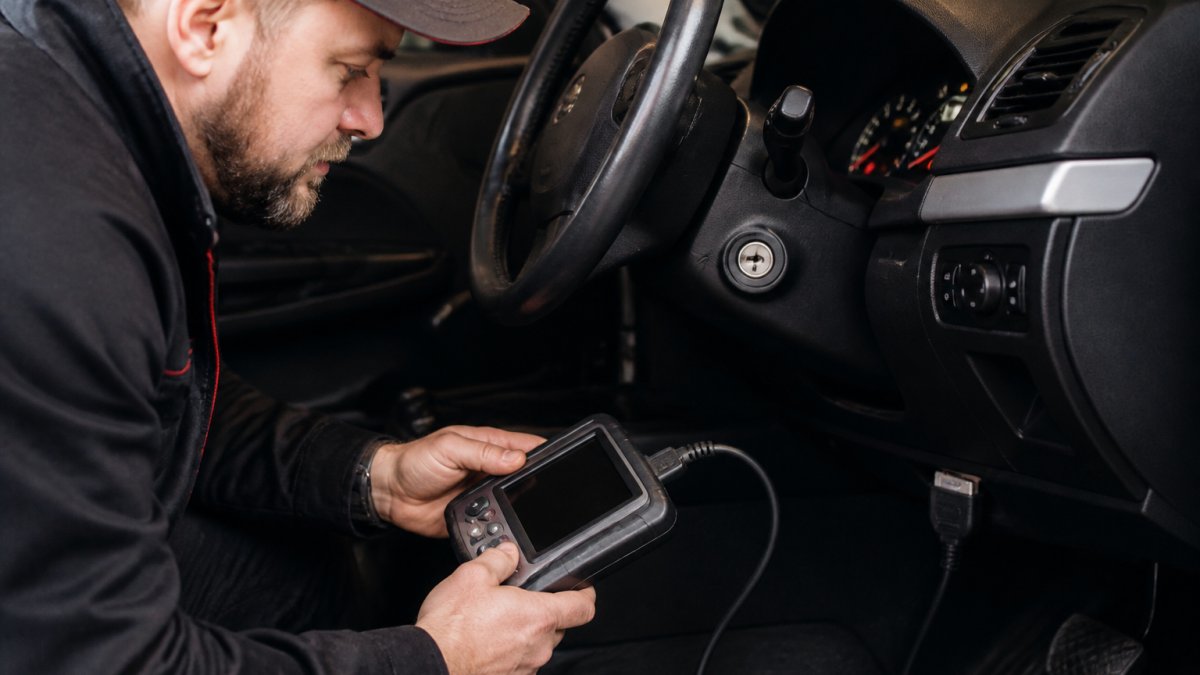
An automotive locksmith can repair and reprogram key-side immobilizer faults, and many can trace vehicle-side wiring and antenna faults, but a failed immobilizer or engine control module usually needs bench-level module repair or replacement.
-
Cut and program new transponder keys and key fobs
-
Diagnose immobilizer faults with OEM-level scan tools
-
Repair ignition and ignition switch faults
-
A module that has lost its security data needs reprogramming or repair
-
A physically failed engine control unit or body control module needs replacement
-
Some vehicles lock module data in ways that require dealer-level access
This is where a mail-in module repair service earns its place: modules repaired and returned to factory specs without a tow to the dealer. Services like Clone modules handle the vehicle-side faults that a locksmith cannot fix on site.
Immobilizer Key Programming: On-Site and Mail-In Options
Immobilizer key programming matches a new key's chip to your car's security system so the vehicle recognizes it. It requires the right tool for your make and model, and can often be done on site.
- On-site programming: A mobile locksmith cuts and codes the key at your location. Best when the car is present and the fault is key-side.
- Mail-in module repair: You send the module in, it gets repaired or reprogrammed, and it ships back. Best when the fault is vehicle-side and the module is the problem.
For dealerships and fleets, standing arrangements keep lot inventory ready to start.
Best For Vehicle owners and dealerships that need keys programmed the same day, plus module repair when the fault is inside the car rather than the key.Immobilizer System Repair Cost: What Affects the Bill
Immobilizer system repair cost depends on where the fault lives, the vehicle make and model, and whether parts are needed. Because pricing varies by vehicle make, model, and the exact fault, Dealerkeys recommends calling for a quote based on your specific situation rather than relying on a flat estimate.
Typical Cost Ranges
- Diagnostic scan: Many mobile locksmiths charge a diagnostic or service-call fee, often credited toward the repair if you proceed.
- Transponder key cut and programmed (key-side fault): The cheapest outcome. A standard transponder key is the low end; a smart key or proximity fob is the high end, and some luxury or late-model fobs cost several times a basic key.
- Key fob battery replacement: A few dollars for the cell, or a small labor charge if the shop does it.
What Actually Moves the Price
- Key-side vs. vehicle-side fault. Key-side is almost always cheaper.
- Whether a new key or fob is needed. A replacement smart key costs far more than reprogramming an existing one.
- Module repair vs. module replacement. Repair is usually the lower-cost path when it is available.
Time Expectations
- Key programming on site: Often under an hour once the correct key and tool are on hand.
- Diagnostic scan: Usually well under an hour, but intermittent faults can take longer to reproduce.
- Wiring or antenna repair: Often same-day, sometimes longer if the fault is intermittent.
How to Judge a Quote
A fair quote names the fault, names the fix, and separates parts from labor. Ask three questions:
- What did the scan show, and what fault code supports that diagnosis?
- Is this a key-side or vehicle-side repair?
- If the first fix does not work, what is the next step and what does it cost?
A shop that can answer those three questions is diagnosing. A shop that cannot is guessing, and you are paying for the guess.
Key Takeaway The cheapest immobilizer repair is the one you diagnose correctly the first time. A diagnostic scan before any parts are ordered is the single best way to avoid paying twice.Conclusion
An immobilizer fault feels like a dead car, but it's usually one broken link in a chain you can trace. If the diagnosis points to a worn or damaged key, Replace keys is a straightforward path to a fresh, properly programmed one.
Dealerkeys has spent over 26 years diagnosing and repairing exactly these problems. We offer mobile dispatch seven days a week, OEM-level key and module programming, and a mail-in repair service for BCM, ECU, and immobilizer modules, serving retail owners, dealership lots, and fleets across the region with non-destructive entry and lot-ready key service.
Call for dispatch and get your vehicle starting again.
Frequently Asked Questions
How much does it cost to fix an immobilizer system?
The immobilizer system repair cost depends on whether the problem is the key, the immobilizer module, or the wiring. A locksmith can program a replacement key or fob on-site, while a module repair requires bench work or a mail-in service. Because pricing varies by vehicle make, model, and the exact fault, Dealerkeys recommends calling for a quote based on your specific situation rather than relying on a flat estimate.
Can a locksmith program an immobilizer key?
Yes. Immobilizer key programming is a core service for automotive locksmiths who carry OEM-level tools. A locksmith can cut and program a new transponder key or key fob on-site for most vehicle makes and models, including cars, trucks, motorcycles, and watercraft. If your transponder key is not working because the chip lost its pairing, reprogramming can restore it without a dealership visit.
How can you tell if a car immobilizer is faulty?
Common immobilizer fault symptoms include a security light that stays on or flashes after you insert the key, the engine cranking but not starting, and a key fob that works for locks but not for ignition. If the engine cranks normally but refuses to fire, the immobilizer is likely blocking fuel or spark. A locksmith can run a diagnostic scan to read fault codes and confirm the cause.
Should I call a locksmith or a mechanic for an immobilizer fault?
Call an automotive locksmith first if the problem involves a lost key, a damaged key, a fob that will not pair, or a no-start condition with a security light. Locksmiths handle key programming, immobilizer diagnostics, and module repair. A mechanic is the better choice if the fault traces to a failed starter, a wiring fault unrelated to the anti-theft system, or an engine control unit issue that requires mechanical repair beyond the security system.
Call for dispatch